
A lot of people have been talking about a $1,533 Canada Pension Plan payment that will be sent by direct deposit in March 2026. This is especially true after Mark Carney talked about Canada’s economy and its future in policy discussions. There are already federal systems in place that run the Canada Pension Plan, so no one person can set it. But more people are interested in this number because they think that CPP increases will be tied to wages, inflation, and the pension’s long-term viability.
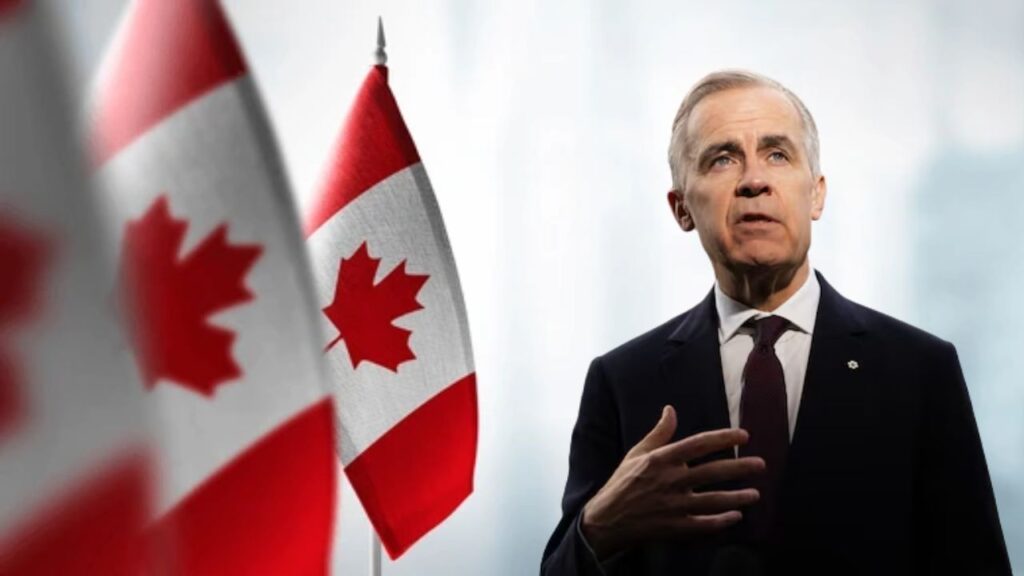
Mark Carney’s Signals
As Canadians plan for retirement and deal with rising living costs, they need to know exactly how CPP payments work. This article talks about the $1,533 amount, who could get it, how CPP payments are figured out, why March 2026 is being talked about, and what retirees should realistically expect as that date gets closer.
What the $1,533 CPP Payment Number Stands For
The $1,533 figure being talked about is the maximum monthly CPP retirement pension that is expected to be paid. It is not a set amount that everyone who retires will get. Not just inflation, but also changes in average wages across Canada affect CPP payments every year.
If wages keep going up and the CPP enhancement program keeps going, the most you could get in CPP payments each month could be $1,500 by 2026. Most retirees don’t get the full amount of CPP, so it’s important to know this. The payment amount depends on how much each person has put into the system and when they start getting CPP benefits.
What Mark Carney Has to Say About the Talk
Mark Carney has been a big part of talks about keeping the economy stable, controlling inflation, and making plans for the future. He doesn’t directly decide how much CPP benefits people get, but what he says in public about wage growth productivity and long-term economic planning affects what people think they will get from programs that are based on earnings, like CPP.
People say that Carney “confirmed” a $1,533 CPP payment, but they don’t mean that he made a formal announcement changing the rules for CPP. It is not a matter of political choice; laws and actuarial calculations decide how much CPP goes up.
How the Amount of CPP Payments Changes with Age: Up to $1,760 a Month
A few important things affect CPP payments: History of Contributions — the more years you worked and paid into CPP, the more money you will get when you retire. When You Begin CPP — you can begin CPP at any age between 60 and 70. Maximum Amount of Money — there is a limit on how much money you can make each year that you have to pay CPP contributions on.
If someone consistently made at least the CPP earnings ceiling, they could get $1,533 a month at age 65.
People are talking about March 2026 for a reason
Payments for CPP are made once a month, usually at the end of the month. A lot of people are talking about March 2026 because: it shows the first full year that the CPP rates would be in effect in 2026, every year at the start of the calendar year the amounts owed are recalculated, any pay raises based on 2026 wages would already be in effect, and the March 2026 payment would show any changes that happened in March 2026 for retirees who are already getting CPP.
Who Could Get All of the $1,533
Only a small number of retirees can get the full amount of CPP. To get close to $1,533 a month, a person would usually have to meet all of the following: Paid into the CPP for most of their working lives, Made at least the most money that can be used to pay for a pension for most years, Started getting CPP payments when they turned 65 or older, and did not have long stretches of time with little or no income. Many Canadians rely on CPP as their only source of retirement income.
These are the kinds of CPP payments that most retirees get
Even though news stories talk about the most money, the average CPP retirement payment is much less. Most retirees get a payment based on a mix of their work history time off from work, or early retirement. This means that $1,533 might be the most someone can get in 2026, but a lot of people will get less every month.
How to send payments and set up direct deposit
Most retirees who have signed up for CPP payments get them through direct deposit. Direct deposit makes sure that: Getting money more quickly, checks won’t get lost or be late, and monthly deposits that happen on their own. People who don’t sign up for direct deposit may get their payments in the mail, which can take longer to get there.
How Taxes Work on CPP Payments
You have to pay taxes on the money you get from your CPP retirement plan. Your monthly payments count as part of your taxable income for the year. People who are retired can either have taxes taken out of their paychecks or pay them later when they file their taxes. Retirees can better plan their monthly net income if they know how taxes will affect it.
How CPP Works with Other Senior Benefits
The Canada Pension Plan (CPP) is only one source of retirement income. Most older people also get: Old Age Security, Guaranteed Income Supplement for seniors who don’t make much money, and pensions from work or private sources, if they apply. Raising CPP payments doesn’t automatically lower OAS payments. But if you make more money, it can change benefits that are based on income, like GIS.
Why the amount of CPP payments is rising over time
Long-term changes to the structure are what make CPP go up. These changes are: Raises in pay across the board, new ways to improve the CPP that have been put in place in the last few years, and changes made to the plan to make sure it will still work for retirees in the future. The goal of these changes is to give younger workers higher income when they retire, while slowly raising benefits for people who are already retired or close to retiring.
What retirees need to do by 2026
People who are about to retire or who are already retired should do something now that talks about higher CPP payments are still going on: Check out your CPP statement, use official government services to find out how much you have contributed and how much you will get when you retire, Check the details of your direct deposit, keep your banking information up to date so that payments don’t get delayed, Plan for your taxes and understand how CPP income affects your taxes as a whole. Don’t trust lies; changes to the CPP are announced through official channels.
How to Handle the $1,533 Number
The $1,533 CPP payment is the most that anyone could get, not the amount that all Canadians will get. Payments are coming, and the CPP will keep going up over time. However, the actual monthly amounts will be different for everyone. For many retirees, even small increases can make a big difference, especially when they are added to other benefits. As March 2026 gets closer, more and more people will want to know about CPP payments.
The $1,533 monthly CPP payment is based on expectations of wage and pension growth, not a universal payout. The payment is coming because the CPP changes every year, and direct deposits will keep coming on time. You need to know how CPP works in order to understand these numbers correctly. The best ways for retirees and people who are about to retire to make the most of Canada’s public pension system as payments come in are to stay informed, keep their records up to date, and make plans that are realistic.
