
In 2026, Canada will make big changes to its graduated licensing system. This will mean the end of some older driving rules that many new drivers were used to. The new framework’s goals are to make roads safer, hold drivers more accountable, and lower the risk of accidents across the country. The new rules are a big change in how Canada deals with driving violations. They include stricter compliance checks, higher fines, and the possibility of license suspensions. Drivers, especially those who are just starting to get their licenses, need to carefully read and understand these changes to avoid expensive fines and make sure they follow the new national road safety standards.
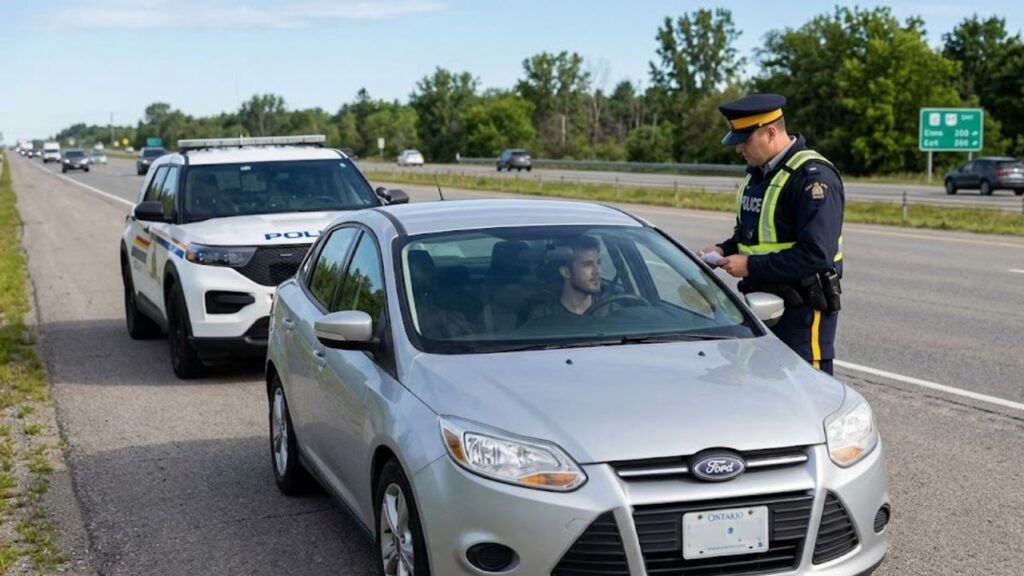
Canada’s 2026 Graduated Licensing Rules Will Make Penalties Tougher
The new licensing rules in Canada make it harder for drivers who don’t follow road safety rules to get in trouble. Authorities are working to make people more responsible by raising fines and making enforcement more strict. Fines of up to $1,000 for serious violations during the learning stages of driving are one of the most talked-about changes. These changes are meant to make new drivers less likely to drive in dangerous ways. Drivers could face higher fines, mandatory license suspensions, stricter policies on holding drivers accountable, and stronger enforcement of road safety under the new framework. Canada wants to lower the number of accidents that could have been avoided and encourage responsible driving from the moment people get their graduated driver’s license.
New Canada Driving Laws 2026: Stricter Compliance Checks
Stronger compliance monitoring is another important part of Canada’s 2026 driving law update. Traffic authorities are likely to step up roadside checks, document checks, and rules for new drivers about how to supervise them. The goal of these efforts is to make sure that drivers who are still learning or on probation follow all the rules. For instance, new drivers will have to follow stricter rules for supervision and clearer ways to keep an eye on them. Officials will do more thorough road checks, start using graduated driver monitoring, make traffic law verification better, and require updated compliance procedures. These steps should help make roads safer overall and remind new drivers how important it is to drive safely.
How the 2026 Canada Driving Law Changes Affect New Drivers
The new rules will probably have the biggest effect on new drivers who are going through the graduated licensing process in Canada. Drivers need to be extra careful about following traffic laws and driving safely now that the penalties are harsher and the monitoring is stricter. Even small mistakes could have effects on a driver’s ability to move up to the next level of licensing. The new system focuses on stronger driver safety measures, better training program standards, new driver restrictions, and better graduated license stages. These changes are meant to help drivers learn safer habits early on in their driving careers, which will lead to fewer accidents on Canadian roads.
What the new driving laws mean for Canada’s road safety
The changes to Canada’s graduated licensing rules are part of a larger national effort to make the roads safer and stop new drivers from driving dangerously. Authorities want to make driving more disciplined by raising fines, keeping a closer eye on drivers, and adding structured learning stages. The changes put more emphasis on better road awareness, a stronger responsible driving culture, a better focus on driver education, and long-term traffic safety improvement. At first, the stricter rules may seem harsh, but they are meant to keep both new drivers and the public safe. In the long run, these changes could make the roads in Canada safer and cause fewer people to break traffic laws.
| Change in Rules | Explanation | Impact on Drivers |
|---|---|---|
| Fines of up to $1,000 | For serious violations during the learning stages of driving | If you break the rules more than once, you may be temporarily suspended |
| More checks and inspections on the side of the road | Better levels and limits for new drivers | More enforcement and monitoring to ensure compliance |
Common Questions (FAQs)
1. What are the biggest changes to Canada’s driving laws in 2026?
The new laws make it possible to get higher fines, stricter compliance checks, and even lose your license if you break the law.
2. Who will the new rules hurt the most?
The graduated licensing system in Canada will have the most impact on new and probationary drivers.
3. What is the highest fine that can be given under the new rules?
Depending on the crime, some violations could lead to fines of up to $1,000.
4. Why is Canada changing its system for graduated licenses?
The changes are meant to make the roads safer, cut down on accidents, and encourage people to drive safely.
