Starting March 26, 2026, motorists nationwide are expected to see a clear jump in costs at the pump. Petrol prices are forecast to increase by $0.25 per litre, bringing an end to the recent period of relatively steady fuel pricing. While the change may look modest per litre, it can quickly add up for households, daily commuters, and businesses that depend on transport. This guide explains what’s driving the increase, how it may affect different sectors, and the most practical ways to reduce the impact in the months ahead.
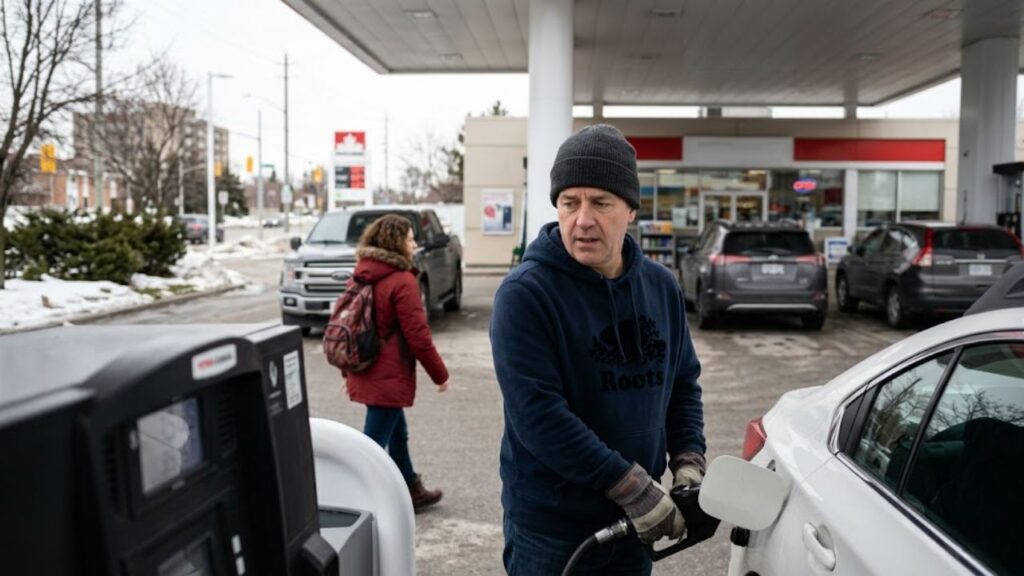
Why Petrol Prices Are Rising in March 2026
Global Oil Market Pressures
A major driver behind the $0.25 per litre hike is ongoing movement in global crude oil markets. Crude prices react to international supply and demand, geopolitical tensions, production decisions by major exporters, and shifts in global consumption. When crude becomes more expensive, refineries and distributors pay more for inputs, and those costs eventually flow through to retail petrol prices. The projected rise for March 2026 reflects sustained upward pressure, influenced by a mix of production cuts in key regions and improving demand as large economies continue to recover.

Tax Adjustments and Regulatory Costs
Local policy settings can also push prices higher. Changes to fuel excise, carbon pricing, and other environmental or transport-related levies often appear directly in the final per-litre price. Governments periodically adjust these settings to support road infrastructure, environmental programs, and public transport funding. Part of the March 2026 rise may be linked to scheduled regulatory updates. While these measures are often designed for long-term public benefits, they can increase immediate costs for drivers and businesses.

Refining and Distribution Expenses
Retail petrol prices are also shaped by the cost of turning crude into fuel and getting it to stations. Refinery maintenance, capacity constraints, and supply chain disruptions can reduce available supply and lift prices. On top of that, transport and storage costs—including trucking, shipping, and terminal operations—add another layer, especially in regions with long distribution routes or limited infrastructure. When refining and logistics tighten at the same time as crude costs rise, the result is often a noticeable increase at the pump.
How the $0.25 Per Litre Increase Will Affect Drivers
Direct Costs for Motorists
On paper, $0.25 per litre may not look dramatic, but the total adds up quickly. A 50-litre fill could cost about $12.50 more per tank. If a household refuels weekly, that can translate to roughly $50 extra per month, and potentially several hundred dollars over a year depending on driving patterns. People who spend the most on fuel—such as long-distance commuters, ride-share drivers, and delivery operators—are likely to feel the impact first and most strongly.
Higher Household Spending Beyond Fuel
Fuel price increases usually don’t stay limited to petrol stations. Transport costs are built into the price of many essentials. As fuel becomes more expensive, the cost of moving goods rises, which can lift prices for groceries, retail products, and everyday household needs. That’s why a petrol hike can create pressure across the entire monthly budget, even for people who don’t drive long distances. Over time, repeated price rises can force households to reallocate spending and cut back in other areas.
Economic Effects of Rising Petrol Prices
Impact on Businesses and Services
Transport-heavy businesses face the sharpest jump in operating costs. Logistics firms, couriers, trades, delivery services, and ride-share platforms may see immediate pressure on margins. Many will try to recover costs through higher service fees, increased delivery charges, or price changes on products. Smaller businesses are often more exposed because they have less flexibility to absorb increases and may operate with tight profit margins. Even companies that don’t use much fuel directly can still face higher costs through suppliers and distribution networks.
Inflationary Pressure
Fuel is a key input across the economy, so sustained petrol increases can contribute to broader inflation. A rise of $0.25 per litre can add upward pressure to transport and production costs, which may gradually influence the prices consumers pay across multiple categories. Central banks often watch energy prices closely because persistent increases can affect inflation expectations and shape decisions around interest rates and monetary policy.
Regional Differences in Pump Prices
Not every region will experience the same increase in the same way. Local fuel taxes, supply routes, competition among retailers, and regional demand patterns can all cause price variations. In remote areas—where fuel must travel further and distribution is more complex—drivers may see higher-than-average pricing. Meanwhile, areas with stronger retail competition may see smaller increases or more frequent discount cycles.
Cost Contribution Breakdown
| Factor Influencing Price | Contribution to Increase | Impact on Consumers |
|---|---|---|
| Global crude oil costs | High | Raises the base fuel price |
| Fuel taxes | Moderate | Adds directly to the pump price |
| Carbon pricing | Moderate | Environmental levy included per litre |
| Refining costs | Variable | Affects availability and short-term pricing |
| Transportation and logistics | Moderate | Creates regional price differences |
Long-Term Trends Behind Fuel Price Movements
Historical Context
Petrol prices have always moved in cycles, largely shaped by global energy trends. Short-term price drops can happen during periods of weaker demand, but over longer periods fuel costs often rise gradually as economies expand and market conditions change. The March 2026 increase aligns with these historical patterns, reflecting the combined effect of supply constraints and demand recovery in global markets.
Transition Toward Alternative Energy
As electric vehicles and renewable energy grow, traditional fuel markets are changing. However, adoption is uneven, and many areas still rely heavily on petrol for daily transport and commercial activity. Where EV uptake is slower, petrol demand remains strong enough to keep prices sensitive to global supply issues and tax settings. In that sense, the March 2026 rise also reflects transition-era pressure as economies balance current fuel dependence with long-term sustainability goals.
 Canada Travel Advisory Update 2026: New Guidance for Mexico and Popular March Break Destinations
Practical Ways to Manage Higher Petrol Costs
Adjust Driving Habits
Small driving changes can reduce fuel use and soften the impact of the price rise. Focus on habits that improve efficiency and reduce waste over time.
- Combine errands to reduce extra trips
- Keep tyres properly inflated for better mileage
- Avoid rapid acceleration and braking to cut fuel burn
- Use cruise control on highways for steady speed
Consider More Fuel-Efficient Vehicles
For longer-term savings, some drivers may look at switching to hybrid, electric, or more fuel-efficient models. While upfront costs can be higher, ongoing fuel savings may become more valuable if petrol prices stay elevated. For high-mileage drivers especially, efficiency upgrades can deliver noticeable benefits over time.
Monitor Prices and Shop Around
Price differences between petrol stations can be meaningful over weeks and months. Comparing nearby stations, watching discount cycles, and using fuel price tracking tools can help drivers consistently buy at lower rates. Even saving a few cents per litre regularly can offset part of the March 2026 increase, especially for families and commuters who refuel frequently.
Broader Consumer Implications
Travel Plans and Commuting Choices
Higher fuel prices can change how people plan travel and day-to-day movement. Families may rethink road-trip budgets, while commuters might explore alternatives like carpooling or adjusting travel times. Over time, sustained petrol increases often push households to make cost-first choices about how often they drive and how far.
Public Transport and Shared Options
When petrol becomes more expensive, public transport can look more attractive. Buses, trains, and shared commuting options can reduce individual fuel costs and may help households stabilize monthly spending. In some areas, increased demand may also encourage improvements in service frequency and route coverage.
Budget Reallocation
Many households will need to account for higher fuel spending by adjusting other categories. Planning ahead—such as setting a higher monthly fuel allowance—can reduce financial stress and prevent surprise shortfalls. The key is to treat petrol as a predictable rising cost and build it into spending plans early.
Government and Policy Considerations
Where the Revenue Often Goes
When part of a petrol increase is linked to taxes or levies, those funds are commonly used for road maintenance, infrastructure upgrades, and environmental programs. While the immediate effect is higher out-of-pocket cost for drivers, governments often argue the longer-term benefit is improved transport systems and broader public investment.
Possible Consumer Support Measures
In some situations, governments may introduce temporary relief—such as rebates or targeted support for low-income households—when fuel costs rise sharply. Staying updated on official announcements can help households access any assistance that becomes available. Policy debate around the March 2026 increase is likely to focus on balancing infrastructure funding with consumer affordability.
Conclusion
The forecast $0.25 per litre petrol increase beginning on March 26, 2026 is expected to create real pressure for drivers, households, and businesses. Driven by global crude markets, domestic tax and regulatory settings, and refining and logistics costs, the increase may be felt quickly at petrol stations nationwide. Although the change is measured per litre, the cumulative effect can significantly shape budgets and operating costs over time. By improving driving efficiency, shopping smarter for fuel, and considering longer-term transport options, consumers can reduce the financial impact and stay better prepared for ongoing volatility.