
The debate over personal safety tools is gaining renewed attention in Canada as Ontario officials call for a federal review of existing pepper spray laws. Currently, pepper spray is classified as a prohibited weapon for use against humans, meaning individuals cannot legally carry it for self-defence personal protection. However, rising concerns about public safety and personal protection have sparked conversations about whether the law should change. Ontario’s request encourages federal authorities to reconsider the regulations and explore whether controlled access to pepper spray could provide Canadians with a safer, practical option for protecting themselves in everyday situations.
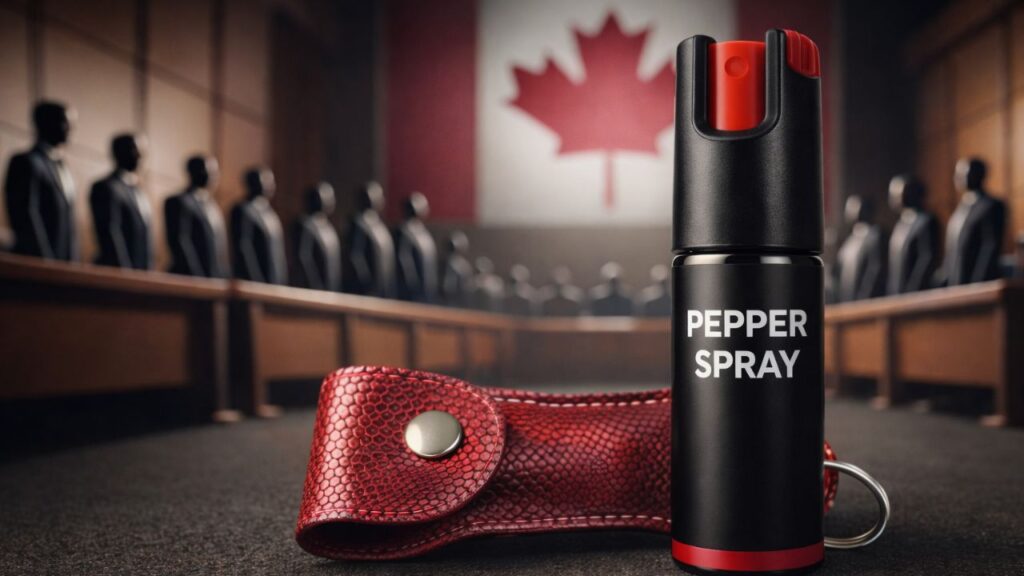
Ontario Pushes for Pepper Spray Law Review
Ontario’s provincial government has formally urged federal lawmakers to reassess how pepper spray is regulated across Canada. Officials argue that the current restrictions leave many residents feeling vulnerable in situations where quick personal protection might be necessary. Supporters of the proposal say a carefully designed policy could allow limited access without compromising public safety. Advocates point to increasing reports of harassment and street crime as part of the reason behind the request. The debate now centers on whether personal safety rights should expand to include controlled self-defence tools while maintaining strict oversight through federal weapons policy. Ontario leaders believe a review could open the door to modernized safety laws that reflect changing security concerns and evolving expectations about citizen protection options.
Canada’s Current Self-Defence Pepper Spray Regulations
Under existing Canadian law, pepper spray designed for use against humans is categorized as a prohibited weapon, making it illegal for individuals to carry or use it for self-defence. The legislation falls under the Criminal Code rules, which aim to limit the circulation of items considered potentially harmful. While bear spray and similar deterrents remain legal for animal protection, using them against people can lead to serious legal consequences. Critics argue that the strict weapon classification rules fail to address real-world safety concerns, especially in urban environments. Others support the current approach, emphasizing the importance of public safety enforcement and consistent national security standards. This legal framework is now at the center of discussions about whether adjustments should be considered.
Debate Over Pepper Spray Access for Self-Defence
The call for reviewing pepper spray regulations has sparked a nationwide conversation about balancing safety and regulation. Supporters believe allowing restricted access could empower individuals who face daily safety risks, such as commuters or shift workers. They argue that controlled distribution, training requirements, and strict usage guidelines could prevent misuse. Opponents, however, warn that expanding access might increase conflicts or accidental harm. The broader debate highlights concerns about community safety balance while considering self defence access and responsible protective tool regulation. Many policy experts suggest that if reforms move forward, they should include training requirements and monitoring systems to ensure that any changes protect both individuals and communities.
What the Pepper Spray Law Debate Means for Canada
Ontario’s request for a federal review does not immediately change the law, but it signals a growing shift in how policymakers are approaching personal safety issues. As discussions unfold, federal officials will likely evaluate crime trends, public opinion, and international approaches before deciding whether reforms are necessary. Some countries allow limited pepper spray use under licensing systems, which could provide a model for Canadian lawmakers. The debate ultimately reflects larger questions about public protection strategies, the role of legal self defence, and how governments adapt laws to evolving safety concerns. Regardless of the outcome, the conversation highlights increasing interest in personal security solutions and the need for policy reform discussions across Canada.
| Aspect | Current Status in Canada | Ontario Proposal | Potential Outcome |
|---|---|---|---|
| Pepper Spray Legality | Prohibited for human use | Request federal review | Possible policy reconsideration |
| Animal Deterrent Sprays | Legal for wildlife protection | No change suggested | Remain regulated |
| Public Safety Concerns | Handled through criminal law | Evaluate personal defence tools | Potential regulated access |
| Government Authority | Federal jurisdiction | Ontario urging review | National debate continues |
| Possible Safeguards | Strict prohibition | Licensing or training discussion | Controlled distribution model |
Frequently Asked Questions (FAQs)
1. Is pepper spray currently legal for self-defence in Canada?
pepper spray intended for use against people is classified as a prohibited weapon under Canadian law regulations.
2. Why is Ontario asking for a review of pepper spray laws?
Ontario officials want federal authorities to reconsider the rules to address growing concerns about personal safety concerns and federal law review.
3. Can Canadians legally carry bear spray?
Yes, bear spray is legal when carried for animal protection purposes, but using it against a person is illegal under law.
4. Will the law change soon?
No immediate change has been announced; the request only calls for a federal review discussion and law policy evaluation.
