Canada is preparing for one of the most significant changes to its driver training and licensing system in decades. Starting in 2026, the government will implement tighter rules under the Graduated Licensing Program (GLP), transforming a previously straightforward learning pathway into a more structured process. The updates include tougher penalties, with fines reaching $1,000 and possible license suspensions, aimed at improving road safety nationwide. Young drivers and families must understand these changes to navigate the system effectively and comply with the new regulations.
Goodbye to the Old Graduated Licensing Rules
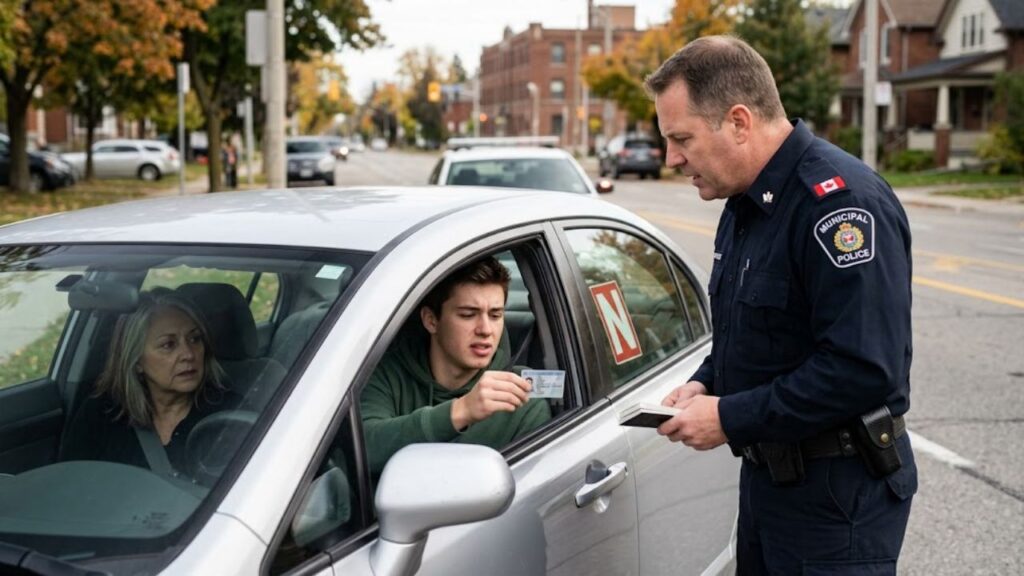
The era of relaxed probation and lenient monitoring is ending. Provinces across Canada are revising the GLP framework to introduce stricter oversight during the learner driver stage and extend evaluation timelines. Authorities are focused on reducing repeat violations and ensuring beginner drivers gain real on-road experience. This update emphasizes discipline, responsibility, and a higher standard for young drivers, moving away from the old, more permissive system.
 Canada Winter Weather Forecast 2026: Snow and Freezing Rain Expected Across Several Regions
Zero Tolerance for Dangerous Behavior
One key aspect of the 2026 reforms is a shift toward zero tolerance for distracted driving, speeding, and impaired operation. Many provinces will use digital monitoring tools to track compliance, making it harder for learners to bypass restrictions. New drivers will face closer supervision, stricter evaluation standards, and fewer opportunities to recover from mistakes during their probationary period.
 Fuel Price Increase in Canada From March 20, 2026: Petrol Prices Set to Rise by $0.25 Per Litre
More Structured Supervised Learning
The revised system emphasizes extended supervised driving hours and structured assessments. Parents and guardians must take a more active role in monitoring learners, while instructors are required to document performance thoroughly. This hands-on approach ensures young drivers gain real-world experience under safe conditions before progressing to independent driving, preparing them better for complex road scenarios.
Tougher Penalties and Enforcement
The 2026 reforms introduce harsher consequences for breaking licensing rules. Drivers violating restrictions could face fines up to $1,000, a substantial increase from the previous maximum of $500. Immediate license suspensions are also possible, particularly for repeat offenders, while digital tracking ensures authorities enforce rules consistently. These measures aim to curb unsafe driving behaviors effectively.
Mandatory Re-Education and Restarting the Process
Drivers who repeatedly breach regulations may need to restart parts of the licensing process. This includes completing updated driver education programs covering modern hazards like electric vehicles, smart traffic systems, and emerging safety technologies. Authorities argue these steps are necessary to reduce accident rates among young motorists and ensure a comprehensive learning experience.

Insurance Implications
Families should consider the potential insurance impact. Violations under the new framework may trigger higher premiums, as insurance providers increasingly rely on compliance records and traffic violation data shared between agencies. This adds a financial incentive for young drivers to strictly follow the rules and maintain a clean driving record.
How the 2026 Licensing Reform Impacts Families
The updated GLP affects more than fines and penalties. For families, it represents a significant shift in how teens prepare for independent driving. Parents must play a more active role with extended supervision requirements and stricter assessments. Digital compliance tracking, automated reporting, and enhanced monitoring ensure that both learners and guardians are accountable. This approach prioritizes skill development, hazard awareness, and responsible driving over simply completing minimum requirements.
Understanding the 2026 Canada Driving Law Reform
These changes go beyond tougher fines—they reflect a cultural shift in Canada’s approach to young drivers. Officials aim to cultivate safe driving habits from day one, supported by modern enforcement technologies and data-driven systems. While some criticize the stricter rules as overwhelming, proponents emphasize long-term benefits, including responsible drivers who view driving as a privilege, not a right.
Key Differences Between the Old and 2026 Systems
| Rule Category | Old System | 2026 Update in Canada |
|---|---|---|
| Maximum Fine | Up to $500 | Up to $1,000 |
| Probation Period | Standard timeline | Extended supervision |
| Repeat Violations | Warning or minor penalty | Immediate suspension possible |
| Driver Education | Basic mandatory course | Updated mandatory training modules |
| Monitoring | manual checks | Digital compliance tracking |
Preparing for the Future: Tips for Young Drivers
- Log Extra Supervised Hours: Take full advantage of the extended learner period in diverse conditions.
- Stay Informed: Understand provincial rules and monitoring tools.
- Prioritize Safety Over Speed: Avoid risky behavior that could trigger fines or restarts.
- Leverage Technology: Use recommended apps or digital logs to track compliance.
- Communicate With Guardians: Keep parents involved at every stage of learning.
Conclusion
Canada’s 2026 Graduated Licensing overhaul is a wake-up call for young drivers, families, and instructors. With stricter rules, higher fines, digital enforcement, and extended probation, the focus is on cultivating responsible, law-abiding motorists. Understanding the new system is essential for avoiding penalties, reducing accidents, and embracing the privilege of safe driving on Canadian roads.